The Ministry of Environment, Urbanization and Climate Change of Türkiye has formulated a comprehensive plan aimed at reducing the impact of disposable plastics, marine garbage and micro plastics on the environment of the country. Fatih Turan, Director of the Environmental Management Bureau of the Ministry, stated that the "Roadmap for Disposable Plastics, Marine Waste, and Microplastics" includes 44 action measures covering three time dimensions of short, medium, and long term, as well as research and development of alternative plastic products.
Turan pointed out that Türkiye has always promoted environmental and climate change related initiatives at the domestic and international levels. He mentioned that Türkiye is a signatory to many international agreements, including the Paris Agreement. The Ministry of Environment, Urbanization and Climate Change is also actively paying attention to relevant EU directives and other developments related to environment and climate issues.
Turan introduced that the State Administration of Environmental Management is responsible for managing all waste related processes, including household waste, industrial waste, forestry waste, agricultural waste, mining waste, waste tires, and plastic waste. These all belong to the category of waste and need to be regulated and managed through regulations. Currently, we are vigorously promoting the reintegration of waste into the economic system based on the principles of circular economy, treating waste as a resource and creating added value
Turan emphasized the global challenge of plastic pollution, pointing out that in the 1950s, global plastic production was only 1.5 million tons, but by 2022 it had exceeded 400 million tons and is expected to reach 1.2 billion tons by 2060. He added that plastic waste accounts for about 50% of the global waste, but only 9% is recycled. Half of the remaining garbage is sent to landfills, and 25% to 30% is casually discarded into the environment without recycling.
Regarding the environmental and health hazards caused by plastic, Turan explained, "Plastic is made from petroleum and takes an extremely long time to decompose and degrade in the natural environment. In recent years, the global impact of plastic pollution has entered a more severe stage. Microplastics can enter the bodies of marine organisms and fish, and when we consume these organisms, microplastics may enter the human body. Even microplastics have been detected in the snow of Antarctica
He further stated, "We sometimes find microplastics in drinking water. Studies have shown that if stored improperly, microplastics may seep into packaged drinking water. From the perspectives of public health, human health, and environmental health, it is necessary to regulate and control plastic production. However, it is not realistic to completely eliminate the use of plastics in daily life within a day - a mature industrial chain has been formed around the plastic industry, involving multiple fields such as employment, production, and export
This roadmap divides various action measures into three stages: short-term (2025-2028), medium-term (2028-2032), and long-term (2033 and beyond), with a total of approximately 44 specific plans. Turan stated that these measures will be jointly implemented by relevant ministries, academic institutions, public organizations, local governments, and non-governmental organizations.
We are conducting research and development on alternative plastic products. Within this framework, multiple measures have been taken to promote: first, using biodegradable materials to replace existing plastics with materials that can quickly degrade in the natural environment; second, in case of force majeure, ensuring that relevant materials are recyclable and reusable, and do not generate new waste or pollute the environment during use
According to the survey carried out by Statistics Türkiye, more than 80% of the respondents support the control measures for disposable plastics. Tulan said that Türkiye will update relevant regulations on disposable plastics during 2025-2027; From 2028 to 2032, the "Regulations on the Control of Packaging Waste" will be implemented.
Some disposable plastic products will face restrictions or bans, while others will require the use of biodegradable alternatives. In the long run, we will promote circular business models such as reusable and refillable systems
Turan also emphasized the responsibility of citizens in plastic waste management: "It's summer now, and people often go on picnics. We buy plastic knives and forks from supermarkets, and even if we throw them into the trash can instead of the picnic area, these plastic products are essentially usable resources. If we don't carry out recycling work, we will need a large amount of landfill space every day to process thousands of tons of garbage, and this model is unsustainable
He added, "On average, each person generates 1.5 to 2.5 kilograms of garbage per day. Based on a population of 80 million, the total amount of garbage generated per day is about 40 million kilograms. Over time, the landfill space will eventually be exhausted. Therefore, while institutions fulfill their responsibilities, 86 million citizens across the country should become environmental ambassadors and volunteers to participate in garbage management together
Tulan also mentioned the case of the international ban on disposable plastics and the "zero waste initiative" led by Emine Erdo ğ an, the first lady of Türkiye, who also served as the chairman of the United Nations High level Advisory Committee on Zero Waste. Over the past seven years, this initiative has promoted the implementation of multiple important practices on seven continents
Under the framework of the "Zero Waste Blue Plan", Türkiye continues to promote the prevention and control of plastic waste in the marine and lake environment, and carries out environmental awareness publicity activities for the public. Turan added that the Teknopest Blue Homeland project is not only crucial for the defense industry, but also a core component of the Zero Waste Blue Plan to protect the marine environment.
Turan stated that the Ministry of Environment, Urbanization, and Climate Change is developing the National Circular Economy Action Plan for 2025-2028. "All ministries and public institutions throughout the country will continue to work in accordance with the principle of circular economy, including recycling all wastes, preventing pollution, minimizing waste generation, and ensuring that all supplies are made of recyclable materials as far as possible. Through these measures, Türkiye will always maintain a leading position in the international competition in the environmental field."
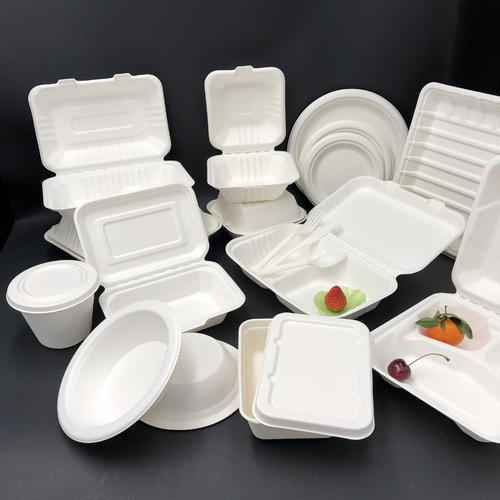
Türkiye's plastic restriction is not an individual case, but a microcosm of the global wave of plastic prohibition. From the EU's comprehensive ban on plastic to the tightening of environmental policies in Southeast Asia and the Middle East, disposable non degradable plastics are gradually being phased out of the daily use, catering, and packaging markets. Pulp molding, with its core advantages of being renewable, 100% biodegradable, free of microplastic pollution, customizable, and adaptable to industrial production, has become the globally recognized best alternative to plastic packaging.
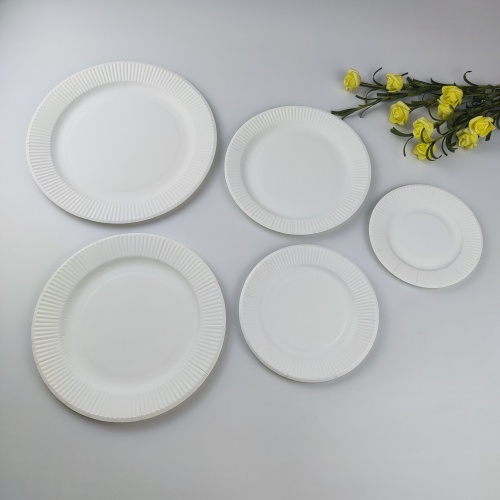
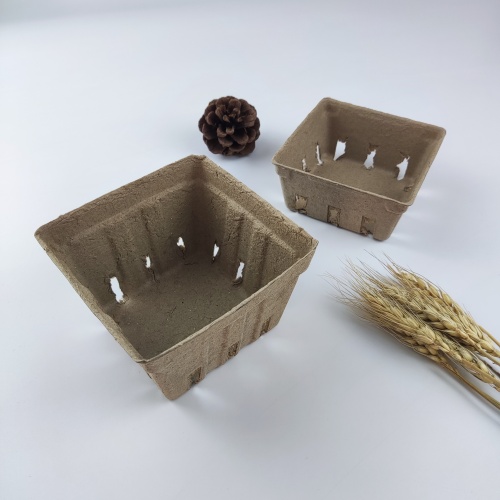
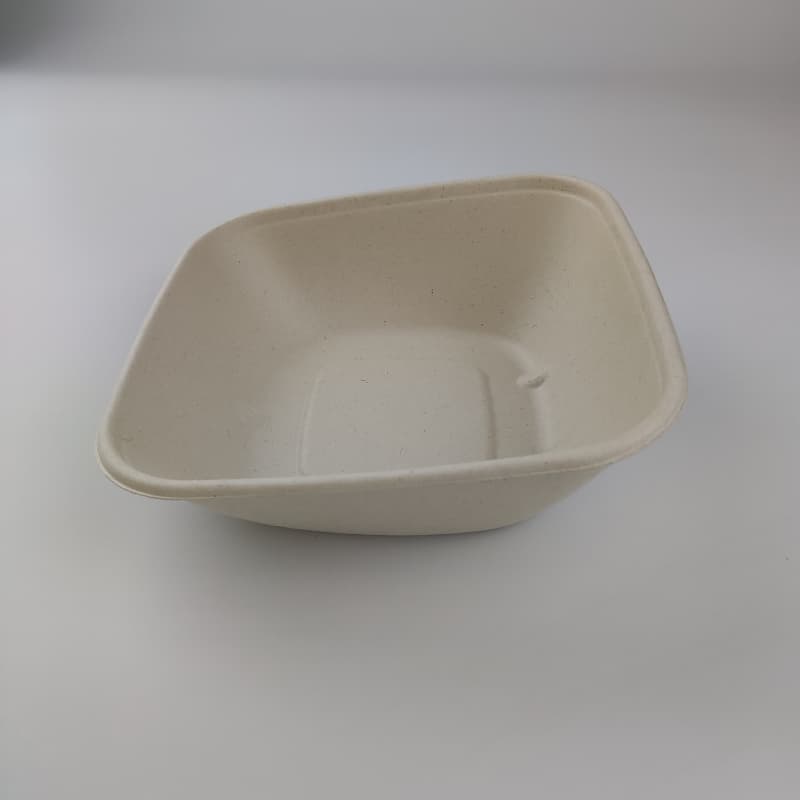
Compared with other environment-friendly materials, pulp molding materials are mainly plant fibers such as bagasse, bamboo pulp and recycled pulp, which can be naturally degraded after being discarded, fully meeting the environmental compliance requirements of Türkiye, the European Union and other overseas markets; Simultaneously balancing practicality and cost advantages, it can be widely used in various fields such as catering tableware, fast-moving consumer packaging, electronic cushioning, daily products, etc., perfectly undertaking the market gap after the withdrawal of disposable plastics.
As a professional enterprise deeply engaged in the field of pulp molding, Quanzhou Shenglin Pak Company has always focused on industry pain points, dedicated to creating pulp molding full process solutions that are compatible with international high standards. The most common ones include pulp molding bowls, pulp molding plates, pulp molding lunch boxes, pulp molding cups, etc. Welcome to customize various pulp products.